Artificial Intelligence on the rise. We will soon bow to our microchip overlords. HAL will shut you down.
Phrases similar to this pound the print rack stack. We hear headlines similar to this when a new tech device or program is released.
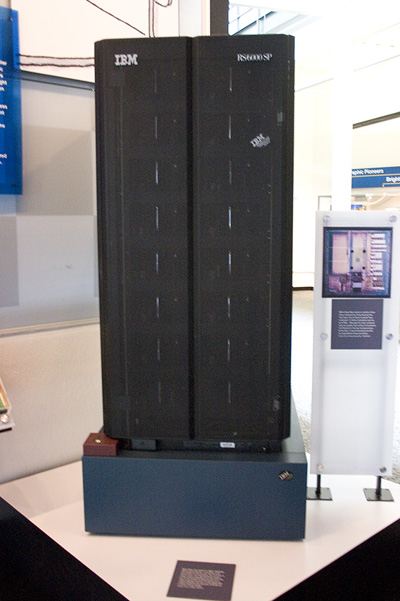
Despite the media mumbling, we are not there yet even though have computers which can beat chess masters. I know it was a feat when IBM’s Deep Blue beat Gary Kasparov, who many consider the greatest chess player of all time.
The next goal set by program engineers was to conquer a more complex game. Chess contains thousands of combinations. Why not go after a game that has millions of possible choices?
Well, the computer programming masterminds have done this. They set out their sites on the Japanese traditional board game go.
It took time, however, their quest for computer game domination yielded another victory. We now have computers who can master go.
Computer whizzes conquered more territory since Go mastery. We now have computers that can call and schedule appointments for you. All this appears to be human-like intelligence to the layman.
However, the computer is not thinking. Computers remain stupid. All the actions, speeches, and text performed and spat out by the computer is stored within an array. Often what is increasing when responses are increasing is the length of the array or the set of arrays in a given program.
Think of an array as a list. The computer selects an item in the list based on programmed criteria, which is triggered by certain actions.
A computer program who utters “mmmm” is not mimicking human hesitation. The “mmmm” is located in an array contained within the program’s code.
This appears to be thought, however, the computer will freeze, will not respond or revert to a default response when it is given a task or asked a question that has not been listed in its array.
 Incidental Transmission